How Hormonal Imbalance Affects Sleep & Ways to Improve It
Hormones play a key role in regulating sleep cycles. Estrogen, progesterone, and cortisol influence melatonin production, circadian rhythms, and how well you sleep at night. Women experiencing PCOS, perimenopause, surgical menopause, or endometriosis often struggle with insomnia, frequent wake-ups, and night sweats due to hormone fluctuations.
- Estrogen & Sleep: Estrogen helps produce serotonin and melatonin, which regulate sleep. Low estrogen (common in perimenopause and menopause) can lead to trouble falling and staying asleep.
- Cortisol & Overactive Minds: Chronic stress or conditions like PCOS can cause cortisol dysregulation , leaving you feeling wired at night and exhausted in the morning.
- Progesterone & Calmness: Known as the “relaxation hormone,” progesterone promotes better sleep. Low progesterone (common in POI & endometriosis) can contribute to restlessness.
How to Improve Sleep Naturally
Balance cortisol naturally – Reduce evening stress and introduce relaxation techniques like meditation or slow breathing exercises .
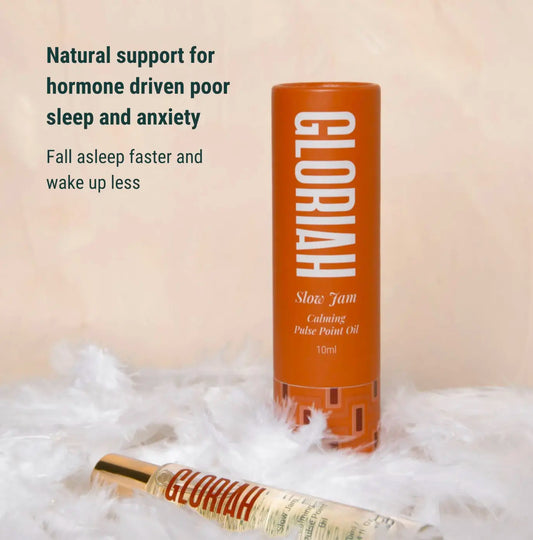
Use scent-based sleep therapy – Studies show that certain fragrances stimulate the limbic system , helping signal the brain that it’s time to unwind. Try Slow Jam , formulated with Myrrh & Tonka, to enhance sleep quality naturally.
Consider magnesium & adaptogens – Supplements like magnesium, ashwagandha, and valerian root support hormonal balance and better sleep. Try Ancient & Brave's True Magnesium